
Print
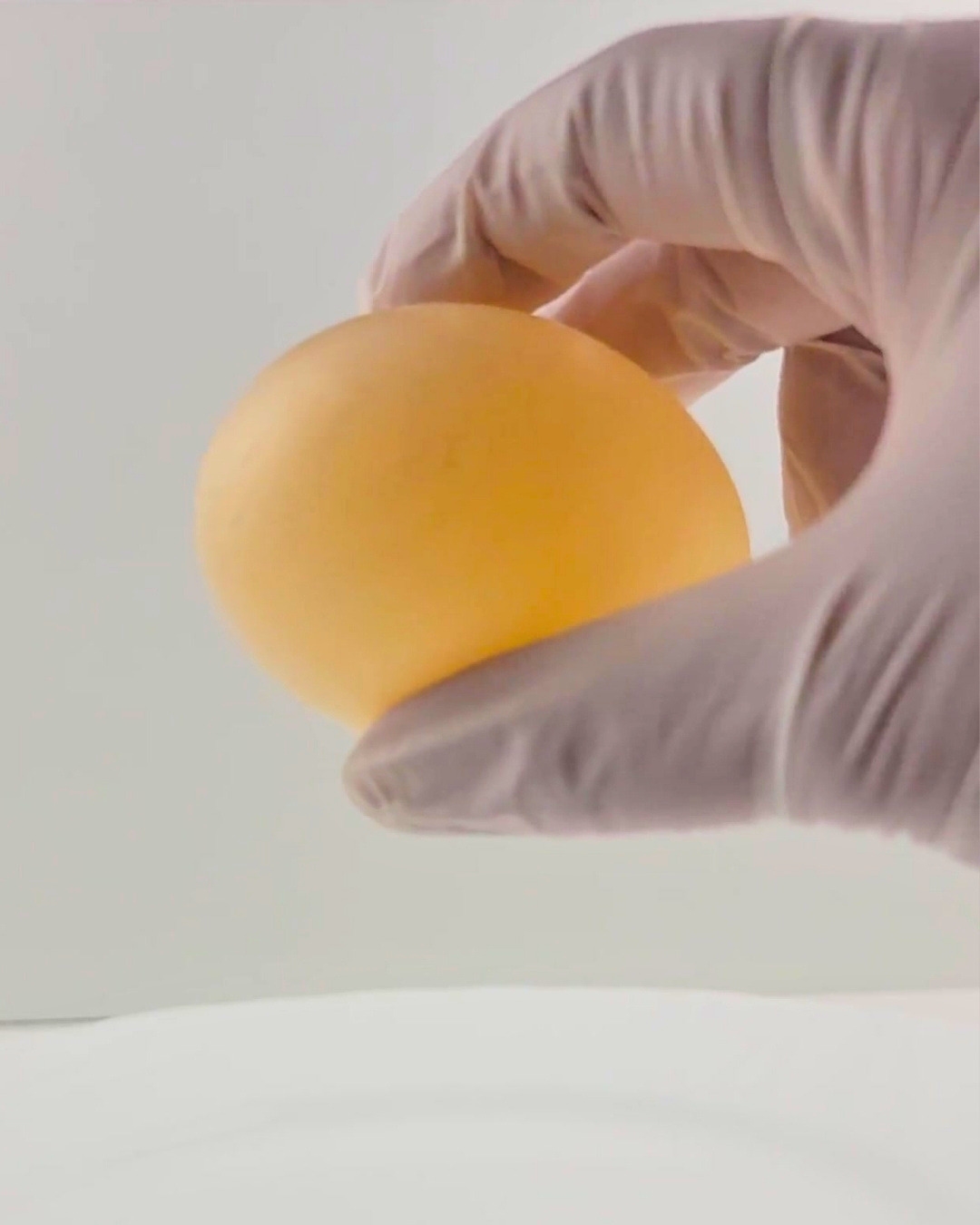
Turn an ordinary egg into a soft, rubbery "bouncy egg" by dissolving its shell in vinegar. This fun experiment demonstrates chemical reactions and introduces the concept of osmosis through the egg's membrane.
Materials
- 1 raw egg
- White vinegar (enough to fully cover the egg)
- Clear jar or glass
- Spoon
- Paper towels
Instructions
- Put the egg in the jar
- Pour in vinegar until the egg is fully submerged
- Watch the bubbles form on the shell for 1 to 2 minutes, then cover the jar loosely
- Leave at room temperature for 24-48 hours
- Pour off the old vinegar, gently rinse the egg under cool water, and rub the shell with your fingers. Most of the shell will slough off
- If any chalky bits remain, return the egg to fresh vinegar for another 12 to 24 hours
- Rinse again. You should now have a translucent, shell-less egg encased only by its membrane
- Test the bounce. Start very low over a plate or the sink. Drop from 2 to 3 cm first. Increase height slowly to find the sweet spot!
What’s going on
- Vinegar contains acetic acid. The shell is calcium carbonate
- Acid reacts with calcium carbonate to form carbon dioxide gas bubbles and soluble calcium acetate. The shell dissolves and leaves the flexible protein membrane
- The egg often swells. Water moves in by osmosis because the vinegar is more dilute than the egg interior.
Optional extensions
- Osmosis test: Soak the finished egg in plain water for 1 hour and measure circumference before and after. Then soak in salt water and measure again
Level
- Beginner
Tried this experiment?Please consider Leaving a Review!