Print
Discover the tiny pores that help plants breathe.Observe stomata under a microscope to see how plants exchange gases and regulate water loss.
Materials
- Fresh basil leaf
- Clear nail polish
- Microscope (compound)
- Glass slide and coverslip
- Transparent tape
- Tweezers
Instructions
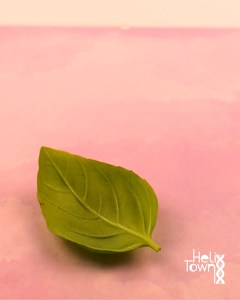
- Pick a healthy, clean basil leaf. The underside usually has more stomata and works best.
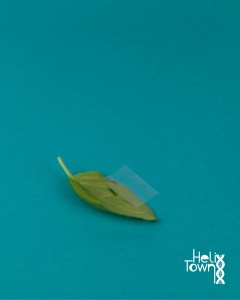
- Place a small piece of clear tape along one edge of the leaf, making sure part of the tape extends beyond the leaf edge. This will act as a handle for peeling later.
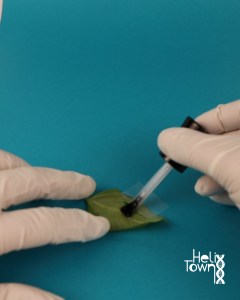
- Brush a thin, even layer of clear nail polish on a small section of the leaf, making sure the polish slightly overlaps onto the edge of the tape.This overlap helps the dried polish film attach to the tape so it peels off easily.Let it dry completely for 5–10 minutes.
- Hold the tape handle and gently lift upward. The dry nail polish film will peel off with the tape, carrying the leaf’s surface impression.
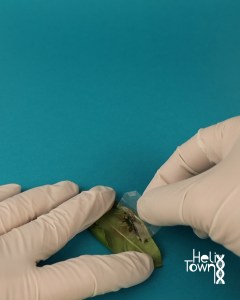
- Place one small drop of water in the center of a clean glass slide.This keeps the film flat and prevents air bubbles under the coverslip. Lay the clear nail polish film onto the drop of water. (optional: once the film is in place on the slide, carefully peel away and discard the tape.)
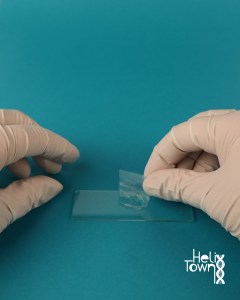
- Lower a coverslip slowly at a 45° angle to avoid bubbles.

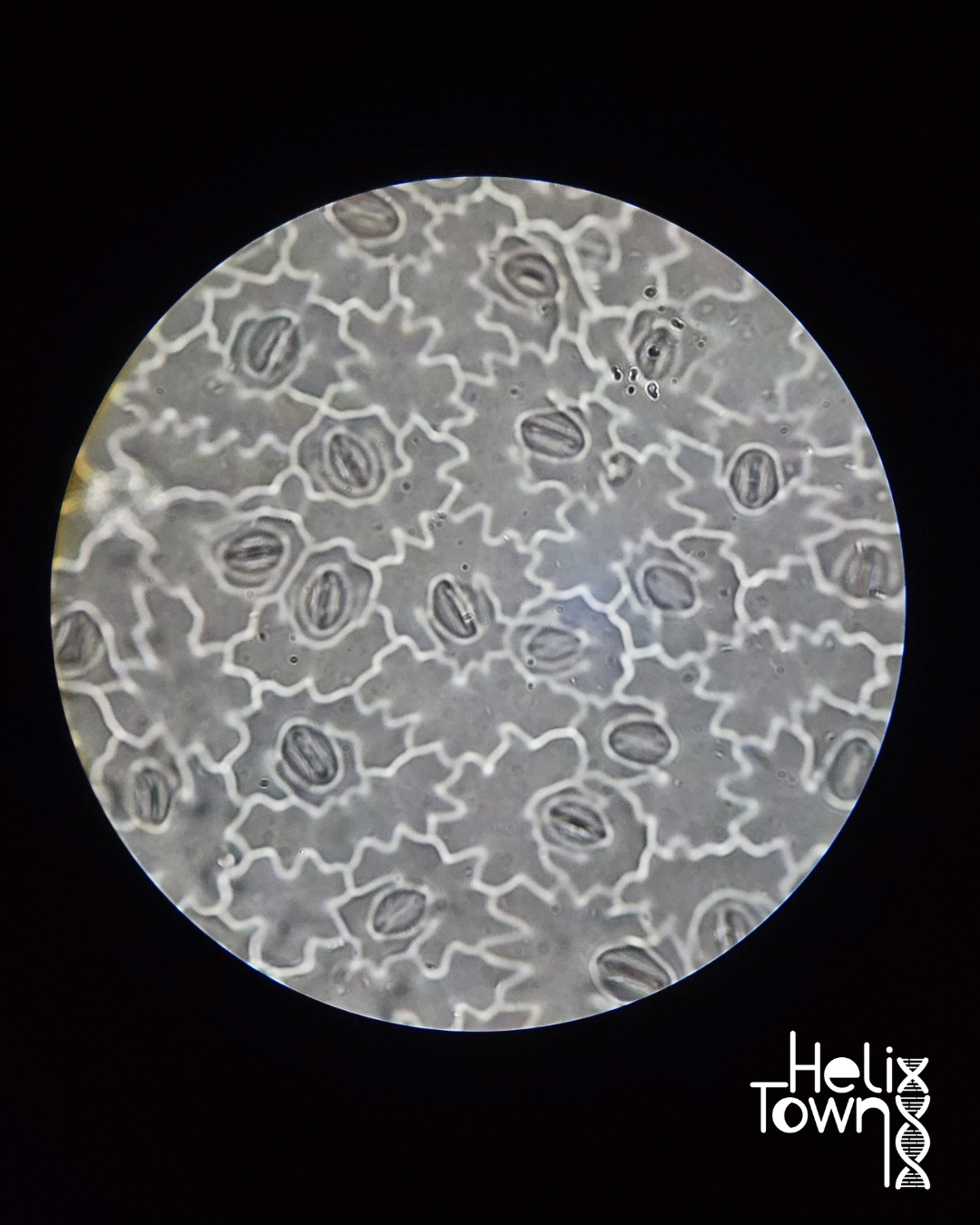
- Start with low power to locate the surface pattern.Switch to high power to view stomata, small oval pores surrounded by curved guard cells.
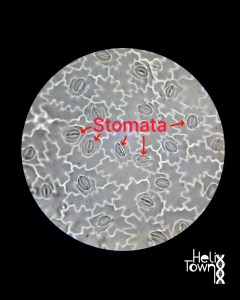
- Draw or photograph your view. Label stoma.
What’s going on
- The clear nail polish forms a thin cast of the leaf’s surface, capturing stomata and guard cells.
- Stomata (singular: stoma) are pores that let carbon dioxide in and water vapor out.
- Each pore is surrounded by guard cells that control opening and closing.
- The tape acts only as a handle and can be removed once the film is mounted.
Optional extensions
- Try different leaves and count stomata per field of view.
- Expose one leaf to sunlight and another to shade, then compare impressions.
Level
- Intermediate
Tried this experiment?Please consider Leaving a Review!
